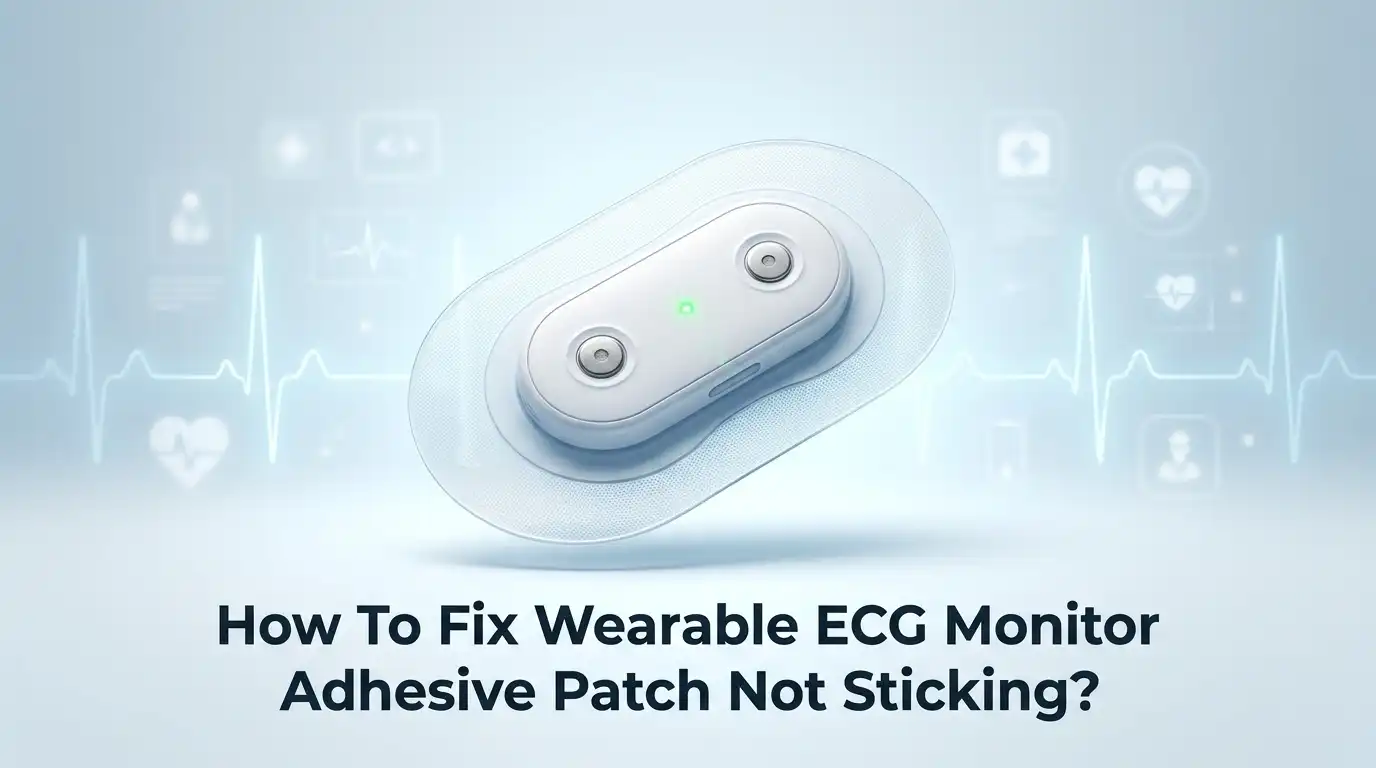
How To Fix Wearable ECG Monitor Adhesive Patch Not Sticking?
Your wearable ECG monitor keeps recording your heart activity. But suddenly, the patch lifts off your skin. This can feel frustrating, especially when you need accurate data.
Adhesive failure is a common problem for many users. Sweat, humidity, and skin oils all weaken the sticky bond. Sometimes, skin sensitivity plays a role too.
The good news? You can fix this issue with simple steps. This guide walks you through practical solutions that actually work.
We will cover why patches lose their grip in the first place. You will learn how to properly dry and reseal a lifting patch. We also share smart techniques like using Skin Tac wipes and alcohol prep to boost adhesion.
For those with sensitive skin, we discuss gentle pretreatment options too. You will discover common mistakes that cause early patch failure. Small errors, like applying the patch to damp skin, can ruin your monitoring session.
By the end of this article, you will know exactly how to keep your ECG patch secure. Better adhesion means better data and fewer interruptions to your health tracking.
In a Nutshell
-
Keep skin clean and dry before you apply the patch. Moisture is the biggest reason patches fall off.
-
Press the adhesive firmly after a shower or sweat session. This helps the patch stick back to your skin.
-
Skip swimming while you wear the monitor. Water exposure breaks down the adhesive fast.
-
Use alcohol wipes to clean the skin first. This removes oils that stop the patch from sticking well.
-
Try Skin Tac wipes or an overlay tape like Tegaderm. These give the patch extra holding power.
-
Pretreat sensitive skin with a steroid cream if you react to adhesives. Let it dry fully before you place the patch.
Small habits make a big difference here. Dry skin, gentle pressure, and the right prep work solve most sticking problems. If your skin still reacts, talk to your doctor about other options. A secure patch means accurate heart data and fewer interruptions during your monitoring period.
Why ECG Patches Lose Their Stick
Your ECG patch loses its stick for several clear reasons. Understanding these causes helps you prevent problems before they start.
Moisture is the biggest culprit. Sweat, humidity, and water weaken the adhesive bond within minutes. When you exercise, shower, or spend time in humid environments, the patch’s grip fails. Your skin releases natural oils and perspiration that create a barrier between the patch and your skin surface.
Skin condition matters too. Dry, flaky skin doesn’t hold adhesive well. The patch needs smooth contact to stick properly. If your skin is irritated or sensitive, your body may reject the patch entirely. Some people develop allergic reactions to the adhesive itself, causing itching and redness that forces them to remove it.
Improper application causes early failure. Many users apply patches to damp skin right after showering. This traps moisture underneath and prevents proper adhesion. Pressing too lightly also leaves air pockets that spread over time.
Skin type variations affect stickiness. People with very oily skin experience different challenges than those with dry skin. Body hair can prevent full contact between the patch and skin. Certain medications make skin more sensitive to adhesives.
Movement and friction wear patches down. Constant rubbing from clothing or repetitive motion loosens the edges. The adhesive gradually peels away from the corners first, then spreads.
Temperature changes impact adhesion. Cold temperatures make adhesive stiff and less flexible. Heat can soften the patch too much. Your body’s natural temperature fluctuations throughout the day affect how well the patch stays put.
Recognizing these factors helps you choose the right prevention strategy for your specific situation.
Step-by-Step: Resealing a Loose Patch
When your ECG patch starts to peel, you can reseal it without removing the monitor completely. This approach works best when the patch is only partially loose, not fully detached.
Start by drying the area thoroughly. If your patch loosened after sweating or showering, use a clean towel to pat the skin and patch completely dry. Let the moisture evaporate for a few minutes. Dampness prevents the adhesive from bonding properly.
Next, gently lift the loose edge of the patch. Don’t pull it away from your skin completely. You only need to create enough space to access the adhesive underneath.
Press the adhesive back down firmly. Use steady, even pressure across the entire loose section. Hold it in place for at least 30 seconds. This gives the adhesive time to reactivate and bond with your skin. Move your fingers slowly across the patch to ensure full contact.
Check the edges carefully after pressing. Make sure all corners and sides sit flat against your skin. Any remaining gaps will cause the patch to lift again.
If the patch still won’t stay put after this attempt, you may need to remove it and reapply. This happens when the adhesive has dried out completely or lost its stickiness.
For extra security after resealing, consider reinforcing the edges with additional medical tape around the perimeter. This prevents the corners from lifting again during normal movement and activity.
Monitor the patch over the next few hours. If it holds firm, you’ve successfully resealed it. If it continues to peel, removal and reapplication becomes your next step.
Proper Skin Prep for Long-Lasting Adhesion
Your skin is the foundation for patch adhesion. How you prepare it makes all the difference in keeping your ECG monitor secure throughout the monitoring period.
Start with a clean surface. Use alcohol wipes to gently clean the area where you plan to apply the patch. This removes oils, lotions, and dead skin cells that block adhesive contact. Let the alcohol dry completely before moving forward. Damp skin will compromise your patch immediately.
Pat your skin dry thoroughly. After cleaning, use a soft towel to ensure zero moisture remains. Even small amounts of water or sweat prevent the adhesive from bonding properly. This step takes just one minute but delivers major results.
Avoid applying lotion or sunscreen to the patch area beforehand. These products create a slippery barrier between your skin and the adhesive. Wait at least 30 minutes after applying any skincare products before placing your monitor.
For sensitive skin, consider gentle pretreatment. Apply a thin layer of steroid cream to the application area if you know you react to adhesives. Allow it to absorb and dry fully before attaching your patch. This reduces irritation while maintaining good adhesion.
Check your skin condition. If you have dry patches, eczema, or other skin issues in the target area, address them first. Healthy skin holds patches better than irritated or compromised skin.
Press firmly during application. Once you place the patch on clean, dry skin, use steady pressure across the entire surface for 30 seconds. This activates the adhesive and creates a strong seal.
These preparation steps prevent most sticking problems before they start.
Enhancement Techniques: Tegaderm, Tape, and Skin Tac
When your ECG patch won’t stick properly, several enhancement techniques can significantly improve adhesion and keep your monitor in place reliably.
Tegaderm overlay tape works as a transparent protective layer placed directly over your ECG patch. This thin, waterproof covering seals the patch edges and prevents moisture from creeping underneath. Apply it smoothly after your patch is secure, pressing gently to avoid air bubbles. The overlay extends your patch life and protects against sweat and humidity.
Medical tape reinforcement provides extra holding power around patch edges. Apply strips along the perimeter of your patch, extending slightly onto surrounding skin. Use gentle pressure so you don’t pull the patch itself. This method works especially well if you’re active or live in humid climates.
Skin Tac preparation involves applying a tacky substance to your skin before patch placement. Clean your skin with alcohol wipes first, then apply the preparation according to product directions. Let it dry completely before attaching your patch. This creates a stronger bond between your skin and the adhesive.
Combination approaches often work best. Start with proper skin prep using alcohol wipes. Apply your ECG patch to completely dry skin. Then add either Tegaderm or medical tape reinforcement depending on your lifestyle and skin sensitivity.
For sensitive skin, consider gentle pretreatment with a steroid cream on the application area. Allow it to absorb fully before patch placement. This reduces irritation and helps your skin tolerate the adhesive better.
Test each technique individually first to find what works for your specific situation. Some people need only one method, while others benefit from combining two approaches for maximum security and comfort.
Managing Sweat, Humidity, and Water Exposure
Sweat, humidity, and water create the biggest challenges for keeping your ECG patch secure. When moisture builds up, it weakens the adhesive bond and causes edges to lift or peel away completely.
Understanding moisture’s impact helps you prevent problems before they start. Sweat contains salt and oils that break down adhesive strength. Humidity in the air adds moisture directly to your skin surface. Water from swimming or extended showering destroys the patch’s ability to stay attached.
After sweating or showering, act quickly. Use a clean, dry towel to pat the entire patch area gently. Do not rub or scrub. Gently lift each edge of the patch slightly and check for moisture underneath. If you find dampness, pat it away completely with your towel.
Once dry, press the adhesive back down using firm, steady pressure. Work from the center outward to remove air pockets. Hold pressure for at least 30 seconds on each section. Check all edges carefully to ensure they make full contact with your skin.
Avoid water exposure during your monitoring period whenever possible. Swimming or prolonged water activities will cause patch failure. If you must shower, keep the patch area as dry as possible and reseal immediately afterward.
For high sweat situations like exercise or hot weather, plan ahead. Apply additional reinforcement around the patch edges before activity begins. This gives you extra security when moisture is most likely to cause problems.
Check your patch every few hours during humid days or after physical activity. Early detection of lifting edges lets you reseal before complete detachment happens.
Solutions for Sensitive Skin and Allergic Reactions
Sensitive skin and allergic reactions make ECG patch adhesion extra challenging. Your skin may reject the patch or develop irritation that forces removal. Understanding how to manage both issues helps you keep your monitor secure and comfortable.
Pretreatment is your first defense. Apply a mild steroid cream to your patch area about 30 minutes before placing the monitor. Let it fully absorb and dry completely. This reduces inflammation and prepares your skin to accept the adhesive without triggering a reaction.
Test your skin response before committing to full monitoring. Place the patch on a small area for a short period. Watch for redness, itching, or burning sensations. If you notice any of these signs, remove it immediately and wait several hours before trying again.
Choose your application timing wisely. Apply patches when your skin is calm and not irritated. Avoid placing them over areas with active eczema, rashes, or open wounds. If your skin condition flares up during monitoring, contact your healthcare provider about adjusting placement.
Moisture management becomes even more critical for sensitive skin. Sweat and humidity accelerate allergic responses. After sweating or showering, gently pat the area dry and press the adhesive firmly to reseal it.
Consider rotating patch locations if you wear your monitor for extended periods. Repeated application to the same spot increases irritation risk. Your healthcare provider can suggest alternative placement areas that work well for your body.
Keep your skin barrier healthy throughout monitoring. Use fragrance free cleansers and avoid harsh products on your chest. Moisturize surrounding areas to prevent dryness that can worsen sensitivity reactions.
Common Mistakes That Cause Repeated Detachment
Applying your ECG patch to wet or damp skin is the number one mistake people make. Water creates a barrier between the adhesive and your skin, preventing proper bonding. Always wait until your skin is completely dry before placing the patch.
Many people fail to press the adhesive down firmly enough after moisture exposure. When you shower or sweat, the patch edges start lifting. You must use steady, strong pressure across the entire patch surface to reseal it properly. Spend at least 30 seconds pressing down with your palm.
Ignoring humidity and sweat factors is another common error. If you exercise, work outside, or live in a humid climate, your patch faces constant moisture challenges. Check your patch frequently during these conditions. Don’t wait until it falls off completely.
Removing the backing incorrectly causes adhesion problems too. Some people peel back only part of the backing, leaving protective material stuck to the adhesive. Always remove the entire backing completely before application.
Skipping skin preparation is a huge mistake. Oils, lotions, and dead skin cells reduce stickiness. Clean your application area with soap and water, then dry thoroughly. For best results, wipe the area with an alcohol wipe and let it air dry completely.
Applying patches to already irritated or sensitive skin leads to poor adhesion and quick removal. Your body’s natural response to irritation causes the patch to lift. Wait until your skin feels calm before placement.
Finally, many people don’t account for their activity level. If you plan to exercise or work in wet conditions, prepare your patch with extra reinforcement beforehand. Anticipating moisture exposure prevents most detachment problems before they happen.
Troubleshooting Persistent Adhesion Failures
When your ECG patch keeps falling off despite your best efforts, you need a systematic approach to identify the real problem. Start by checking one thing at a time so you know exactly what’s causing the failure.
First, examine your patch application technique. Did you remove the backing completely before pressing it down? Some people miss small pieces of protective film that prevent proper contact. Press firmly for at least 30 seconds using steady pressure across the entire adhesive surface. This creates a strong seal between the patch and your skin.
Next, inspect your skin condition at the application site. Is it clean and completely dry? Even tiny amounts of lotion, oils, or residue create a barrier that breaks the bond. Wash the area with soap and water, then dry thoroughly with a clean towel.
Check the patch itself for damage. Bent edges, creases, or torn corners reduce adhesion significantly. Handle your monitor gently and store it properly between applications.
Consider your environment and activity level. If you’re sweating heavily or in humid conditions, moisture is likely your enemy. The adhesive weakens when exposed to constant dampness. Plan your monitoring schedule around times when you’ll stay dry.
Test reinforcement methods one at a time. Some people find success with additional support, while others don’t need it. This helps you understand what your specific situation requires.
Document what you observe before trying fixes. Note the time of day, your activity level, skin condition, and how long the patch stayed attached. This information reveals patterns and helps you solve the problem faster.
Final Thoughts
Keeping your ECG monitor patch in place does not need to be hard. Most sticking problems come from moisture, poor skin prep, or a rushed application.
Fixing these small details makes a big difference. Dry your skin well, press firmly, and give your patch time to bond before moving around.
Sensitive skin needs extra care. A little pretreatment and patience go a long way toward comfortable, lasting wear.
If your patch still lifts after trying these steps, do not ignore it. A loose patch means missing data, and missing data means your doctor gets an incomplete picture of your heart health.
Small adjustments often solve big problems. Switching patch locations, using reinforcement tape, or changing your routine around sweat and showers can make your monitoring period much smoother.
Remember that every person’s skin reacts differently. What works well for one wearer may need slight changes for another.
Pay attention to how your skin responds, and adjust your approach as needed. This simple habit prevents repeated frustration.
Talk to your healthcare provider if adhesion problems continue despite your best efforts. They can suggest alternative patch types or additional skin care steps suited to your situation.
Consistency matters more than perfection. You do not need flawless technique every single time. You just need a reliable routine that keeps your patch secure most of the time.
With the right prep, timing, and a little troubleshooting, you can wear your ECG monitor comfortably and confidently. This helps your doctor get accurate readings, and it helps you finish your monitoring period without constant patch worries.
Good habits now lead to better heart data later.
Frequently Asked Questions
Why does my ECG patch lose adhesion after I shower?
Water weakens the adhesive bond on your patch. When moisture reaches the edges, it breaks the seal between your skin and the device. After showering, pat your skin dry with a towel. Then press the adhesive edges firmly against your skin for 30 seconds. This reseals the patch and restores contact.
Can I wear my ECG monitor while swimming?
No. Water exposure causes complete patch failure. Swimming, bathing, or prolonged water contact will detach your monitor. Check with your healthcare provider about timing. They may suggest removing your patch before water activities or adjusting your monitoring schedule.
What should I do if my skin is sensitive to the patch?
Clean your skin with alcohol wipes before applying the patch. Let your skin dry completely. If you have reactive skin, ask your doctor about pretreating the application area with a steroid cream. Allow the cream to absorb fully before placing your patch. This reduces irritation and improves adhesion.
How can I make the patch stick better?
Start with clean, dry skin. Remove the backing completely before application. Press down firmly for at least 30 seconds. You can add extra security by applying overlay tape or medical tape around the patch edges. Some people use adhesion wipes designed for medical devices. These simple steps often solve sticking problems.
What happens if my patch keeps falling off?
Poor adhesion means your monitor cannot record data properly. Troubleshoot by checking your application technique first. Inspect your skin for moisture, oils, or irritation. Look at the patch itself for damage. If problems continue, contact your healthcare provider. They can suggest alternative attachment methods or patch types.

Hi, I’m Sonny Dawson, the creator and voice behind ConvertResizeGen. 👋 I’m a passionate tech enthusiast who loves exploring the latest gadgets, devices, and electronics that shape the way we live and work. Through my website, I share honest, hands-on reviews of trending Amazon products to help you make smarter buying decisions.